Faros : Design System
Building a design system from zero to fifty squads, across three countries, over five years.
Role
Consultant → DS Owner →
Head of Design & Product Ops
Company
Softway Medical
Timeline
2019 — ongoing
Softway Medical wasn't the company it is today when this started. About 500 people then, more than 1,200 now. Three markets instead of four, one country instead of three. Faros didn't start as a design ambition. It started as a sales request: stand out from competitors who all looked and worked the same.
Healthcare BtoB software is an engineering-first world. Ask most product teams there what UX means, and you'll get a shrug, not an answer. In that kind of market, an interface that simply held together, built to normal web standards, was already a real differentiator. Everyone could see the gap.
Chapter 1
Without a compass
The product I inherited had a split personality. Fifteen years of legacy, coherent in its own way, sat next to newer tech bolted on wherever a project needed it. Nothing quite matched, down to details as small as seven different teams each building their own color picker without knowing the others existed.
Getting everyone to agree something had to change was the easy part. The diagnosis was obvious. A plan came together fast. Sponsors showed up from every direction, ExCom included. But nobody had answered the harder question yet: once the excitement wore off, would anyone outside the room actually use it?
I came in as an external consultant, sent by UX-Republic. Nobody on the team had built a design system before, myself included, so being an outsider wasn't just fine, it was the only honest place to start from. Fifteen years of product history is tempting to erase but impossible to do so. So the job was never to revolutionize it. It was to make sense of what already worked, and build from there.
Getting that far on paper is one thing. Moving the organization is another. So the next step was convincing the right people to join anyway. We called them the A-team: a handful of internal Top Guns, cross-functional by design, with sponsors pulled specifically from engineering, because without their backing nothing downstream would hold.
I had no authority to do it. I was an external consultant, not a manager, not even an employee.
We didn't sell that vision with slides. We sold it by working alongside the teams who'd eventually depend on it. Real projects, run together, that doubled as a crash course in good discovery practice and as proof the system actually held up. Those same teams became some of our strongest advocates later. The work also fed the kit itself, improving it in near real time instead of behind closed doors.
The visible turning point was what we called “Summer Painting”: a redesign pass that lined up fifteen years of existing screens with the new library, adjusted almost in real time as feedback came in.
None of it moved as fast as I expected. We projected further ahead than we could sustain, announced more change than teams were ready for, and spent a while walking some of it back. The lesson that stuck: accept what you can't have yet, move in steps you can actually test on the ground, and know your subject cold before you bring it to the people who'll live with it.
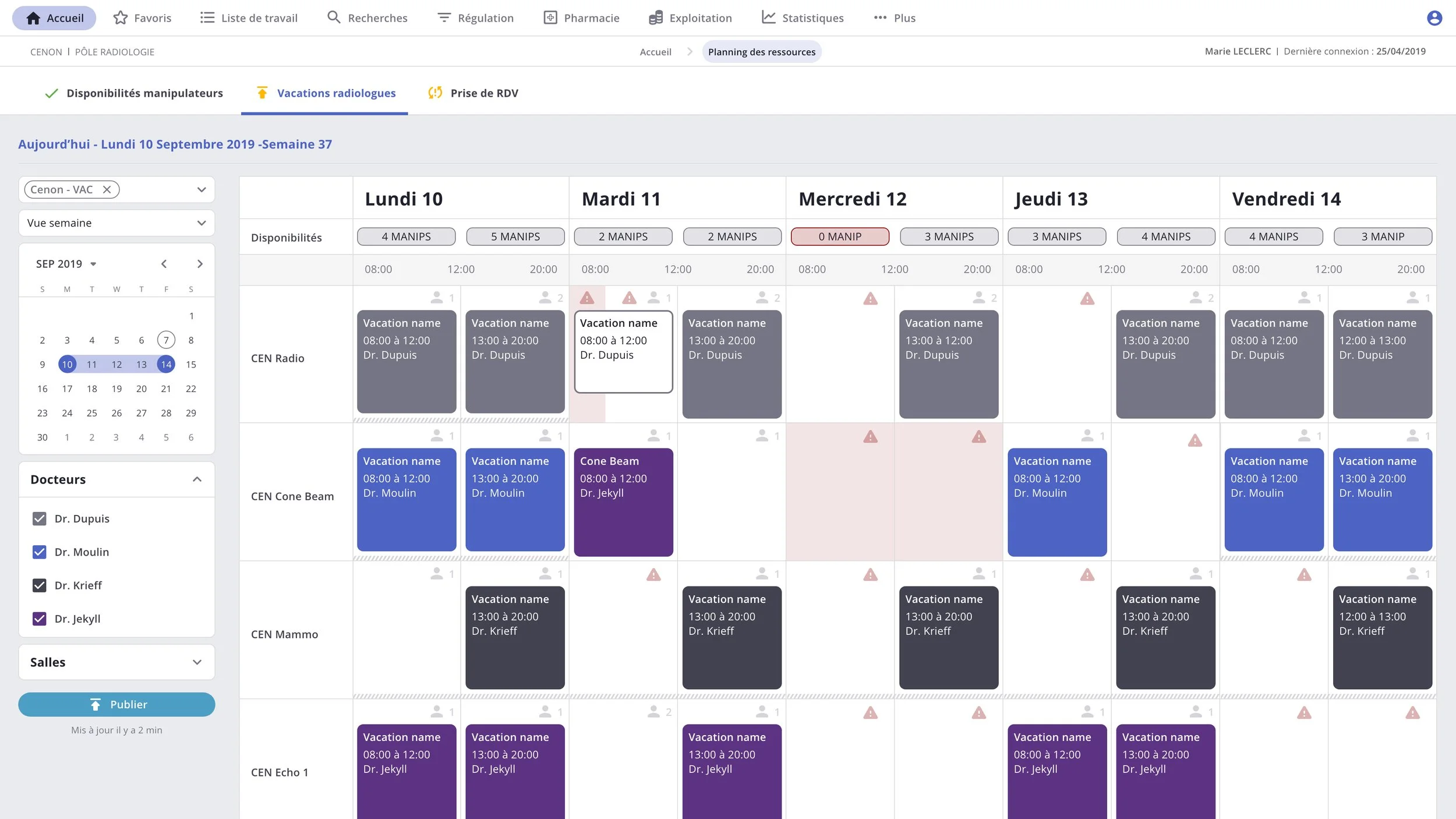
Early stages experimentations on Calendar
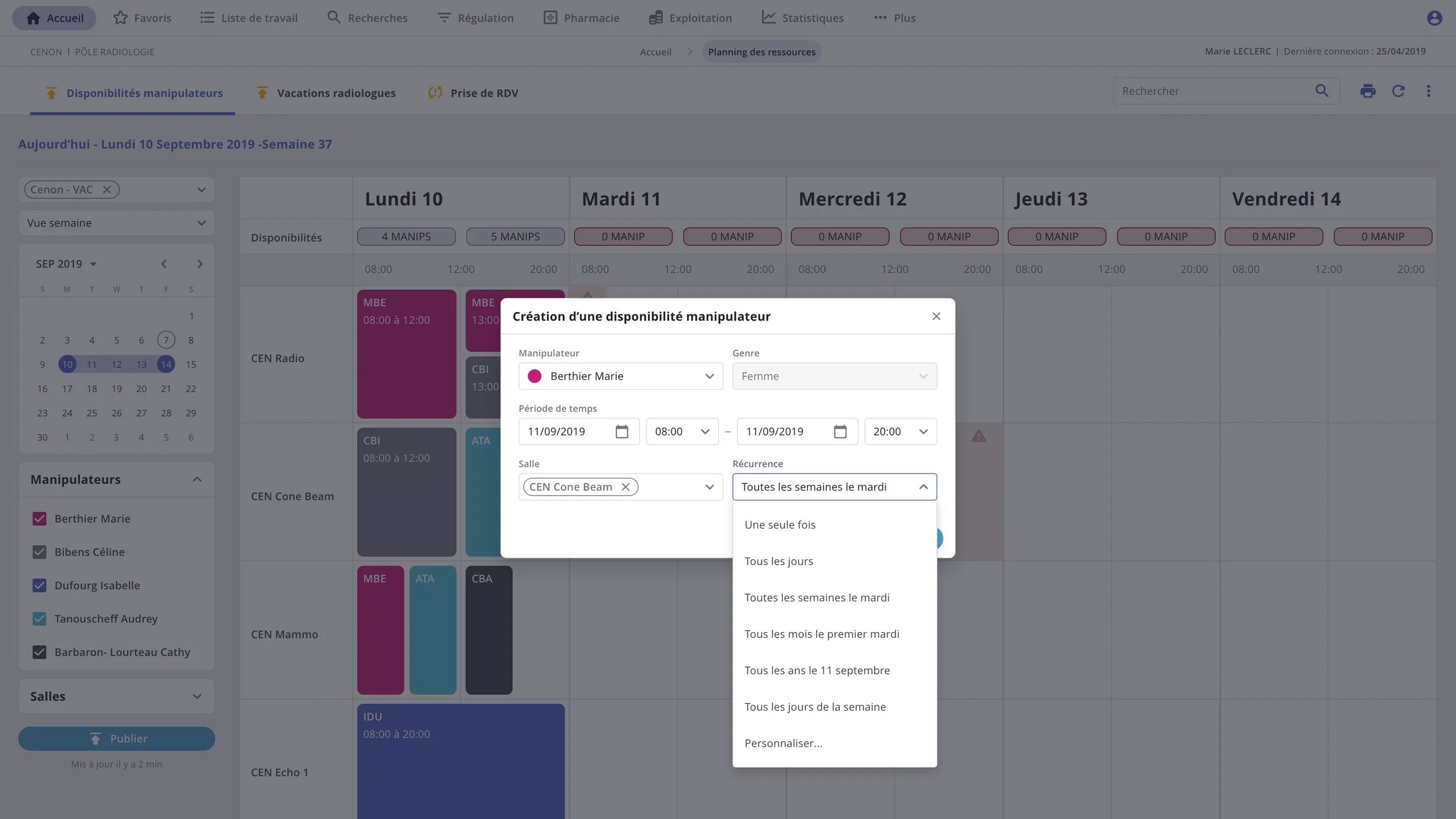
Adding an event
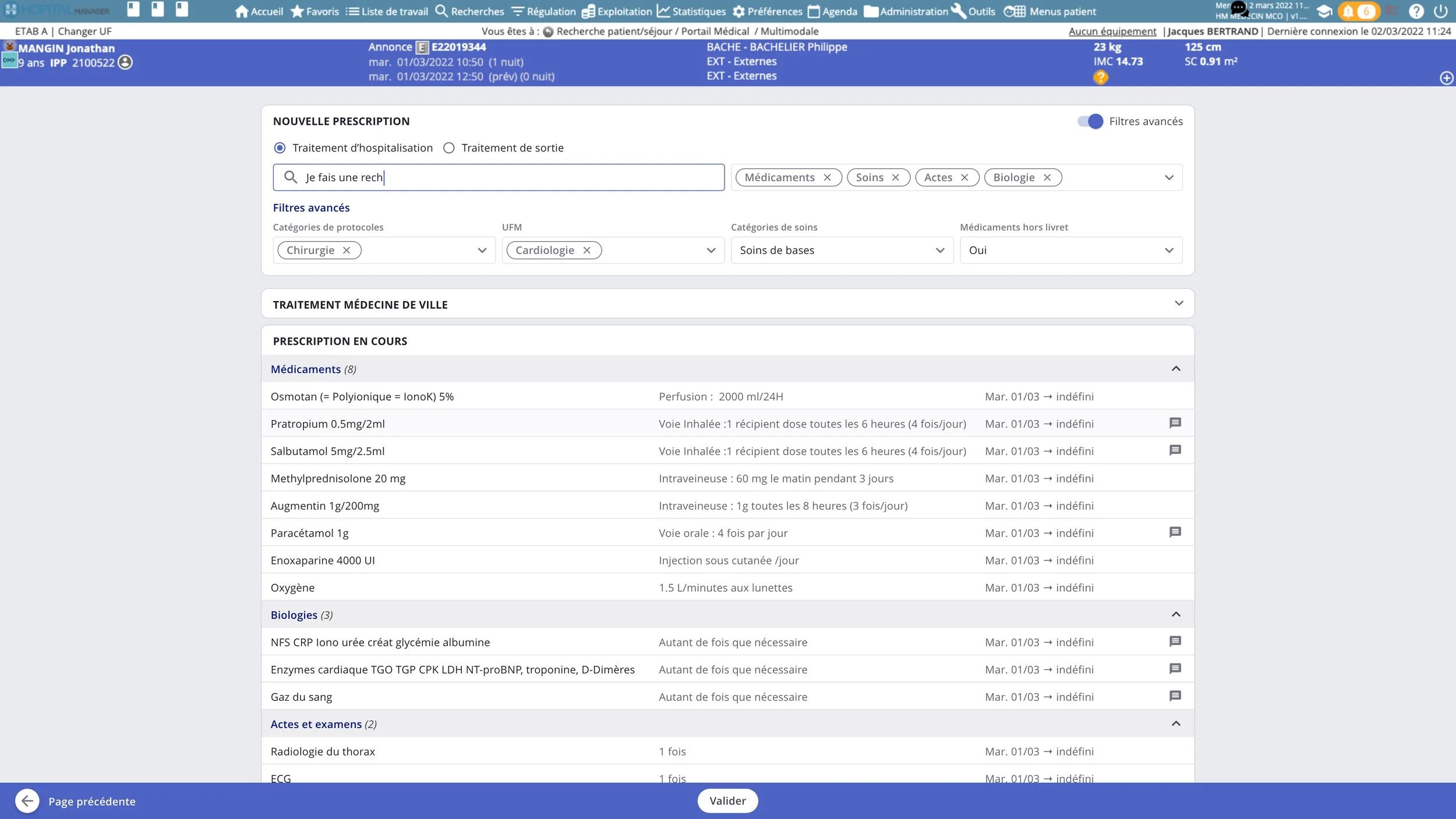
Prescription
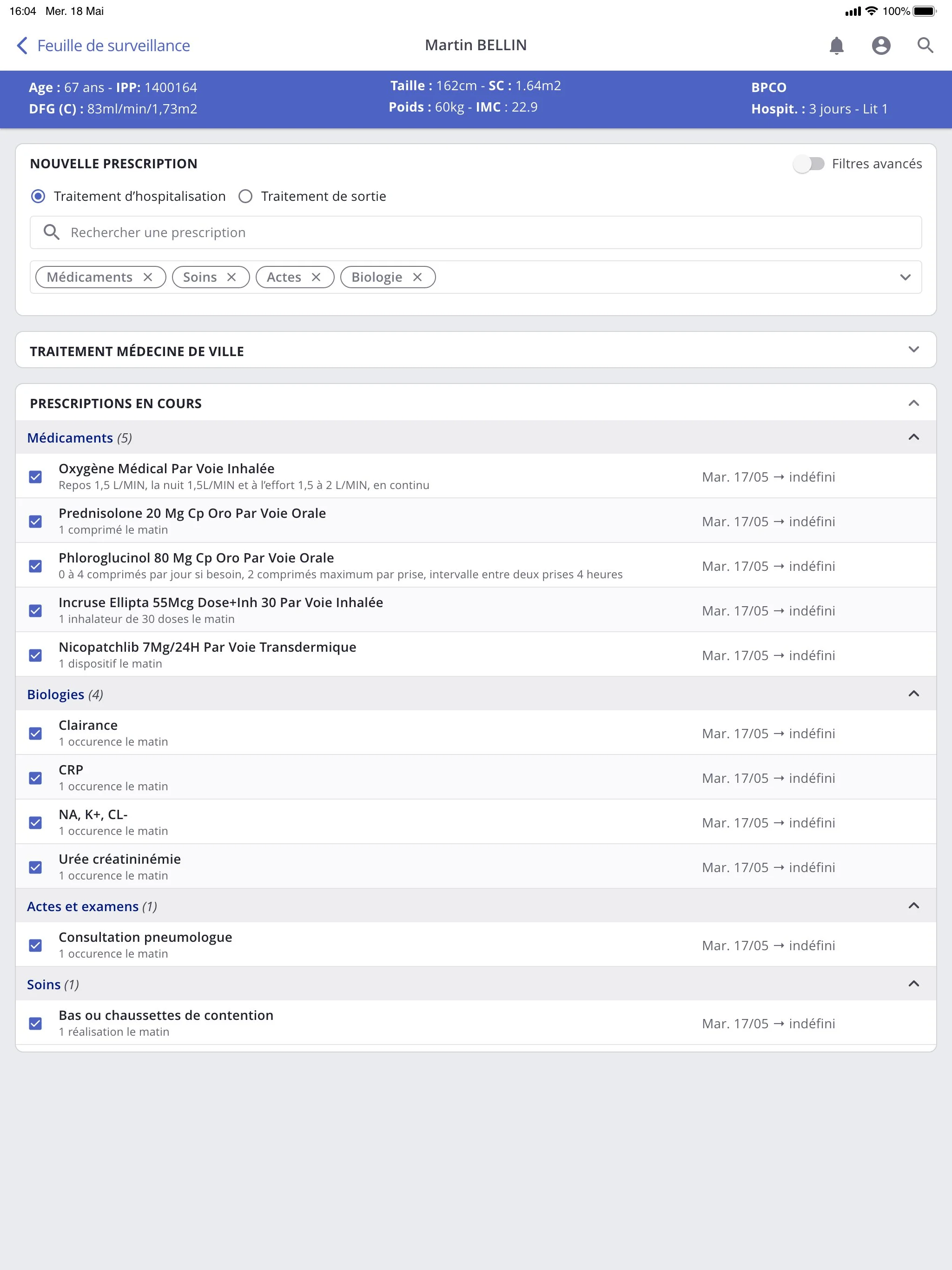
Patient prescription (mobile)
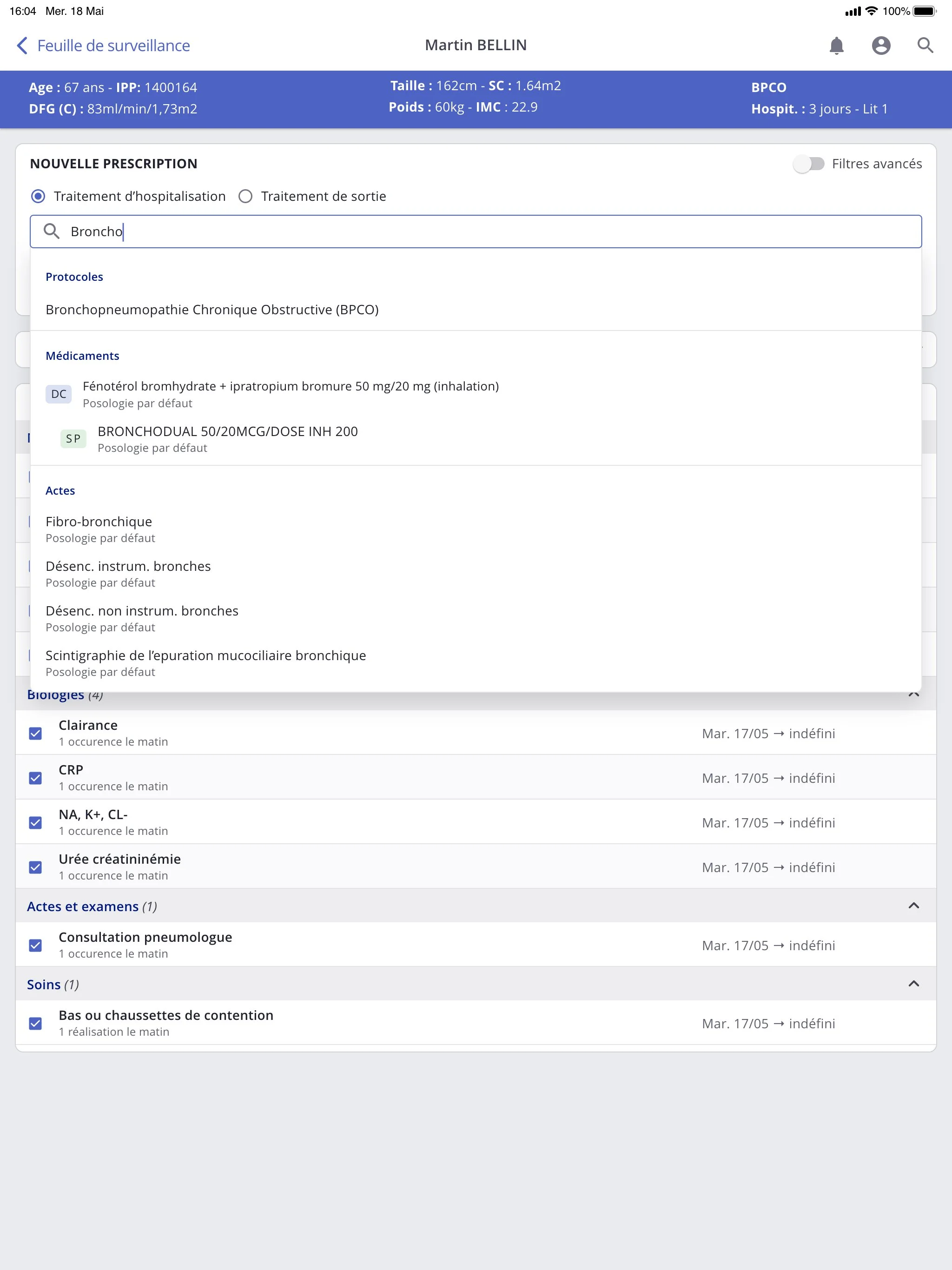
Adding a prescription (mobile)
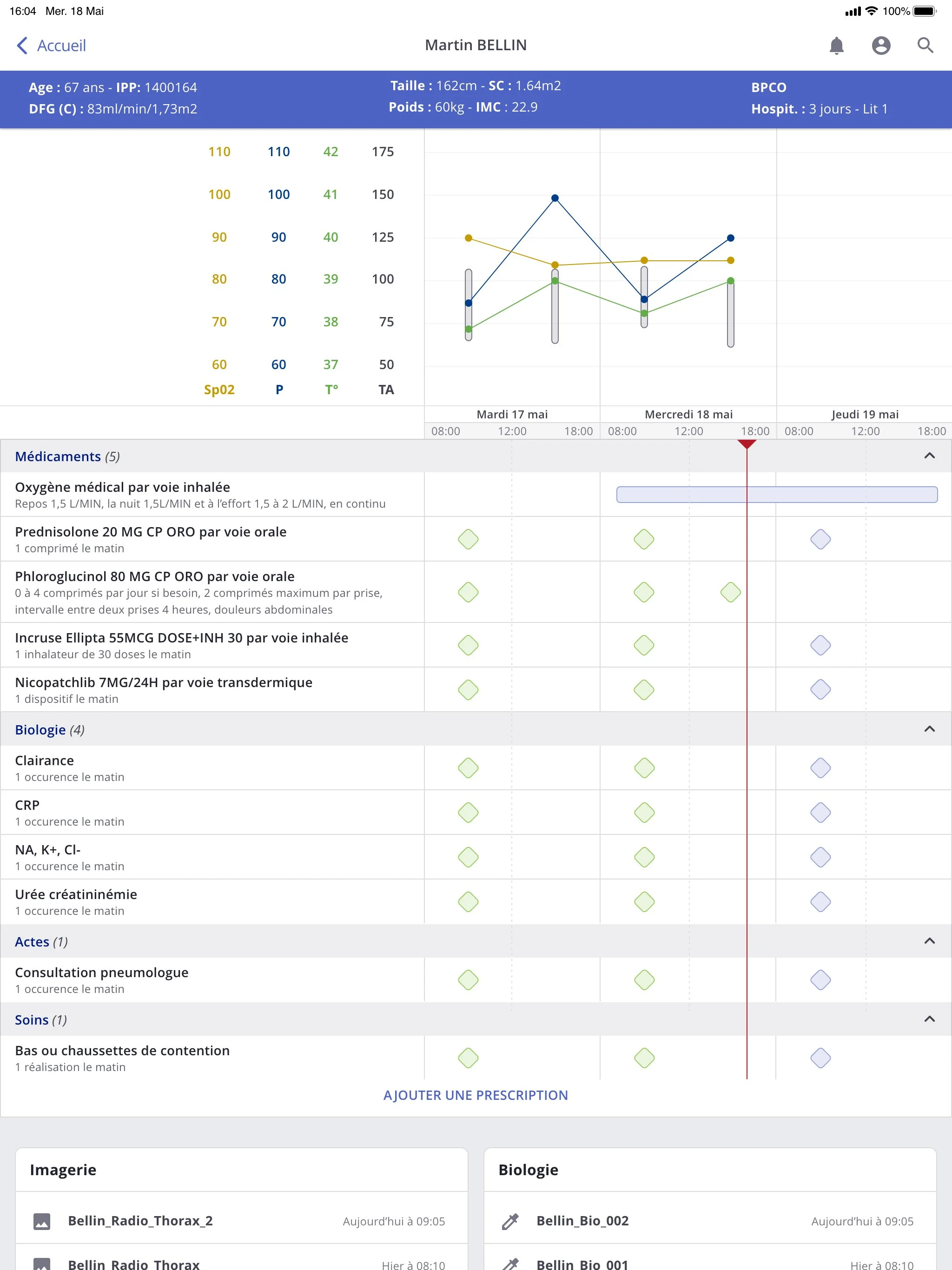
Treatment follow up (mobile)
Chapter 2
Picking up speed
The lesson from year one held: don't project further than you can sustain. What came next was less about big leaps and more about building structure that could carry weight over years, not weeks. Four areas of work took shape, and we ran them side by side.
Rationalizing the effort
Requests kept piling up, faster than a small team could handle without cutting corners. So we built discipline into how we listened and how we prioritized. Three early surveys became one industrialized survey we could trust year over year. Prioritization ran through RICE scoring in recurring workshops, a way to guide decisions without letting the backlog dictate them. And we built our own analytics tool, tracking which components got used, which didn't, and how fragmented versions were getting across squads. It started as something useful for us. It became a governance tool for the whole system.
Faros Analytics - components usage
Toward team autonomy
We couldn't scale by doing everything ourselves. Front-end skill was thin across the group, and most squads had no embedded designer, which meant the DS team ended up carrying a lot of the thinking by default. So we built for autonomy instead: training folded into onboarding from day one, weekly two-hour sessions to stay close to the teams, and documentation split cleanly in two, Notion for the why and the how, Storybook for the technical detail engineers actually needed.
Notion - functional documentation
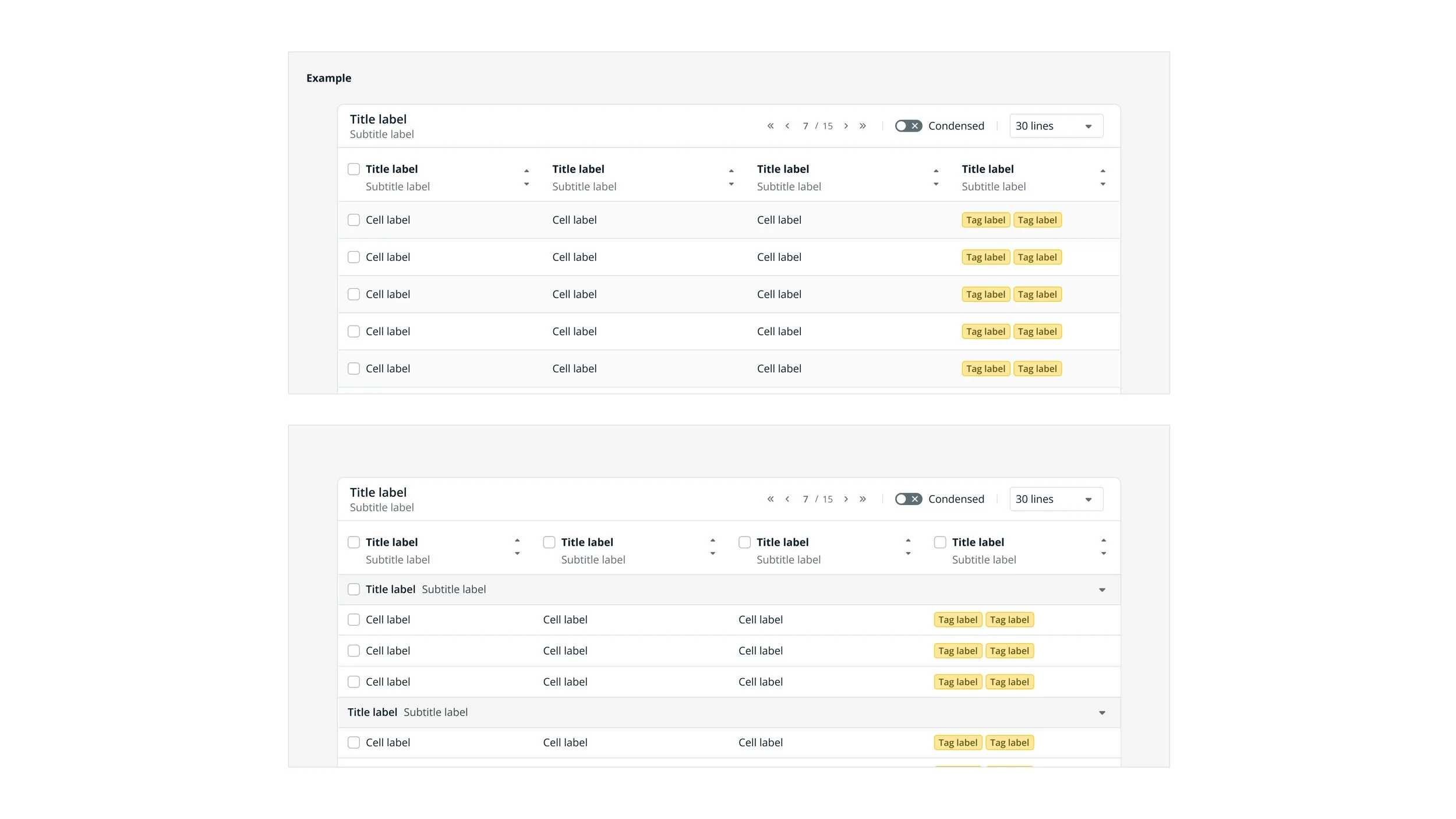
Table component (doc)
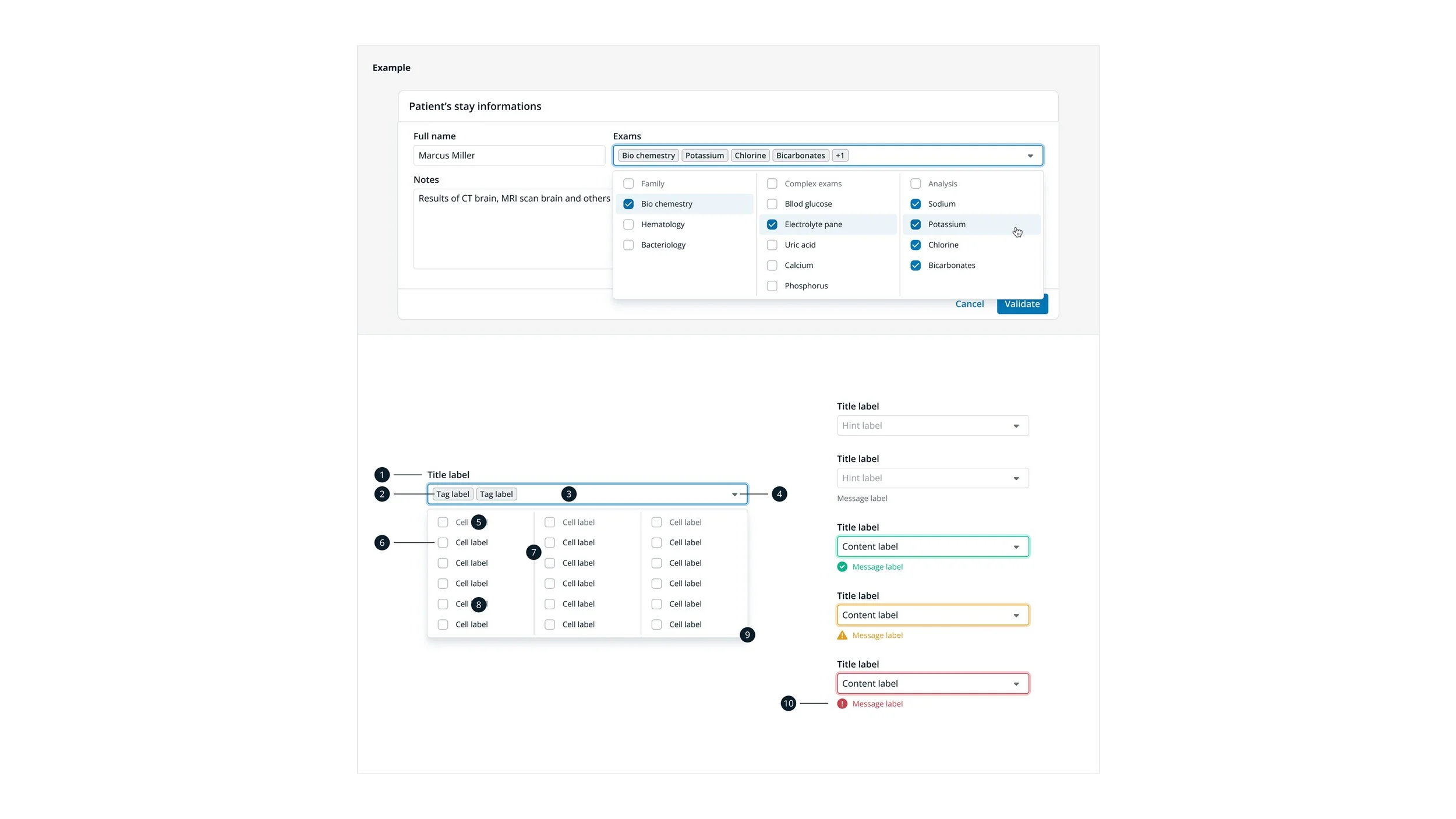
Cascader component (doc)
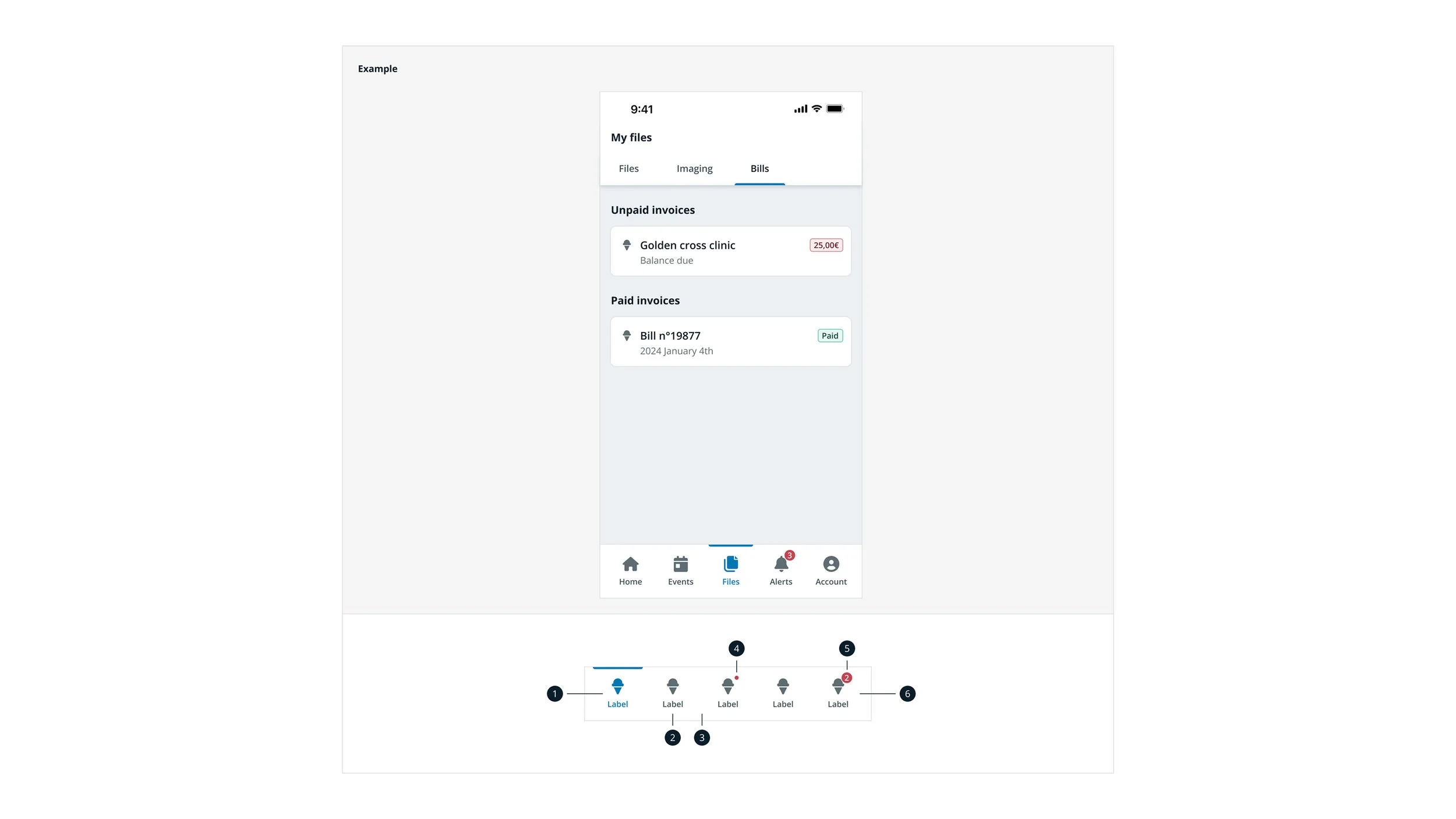
Mobile navigation bar (doc)
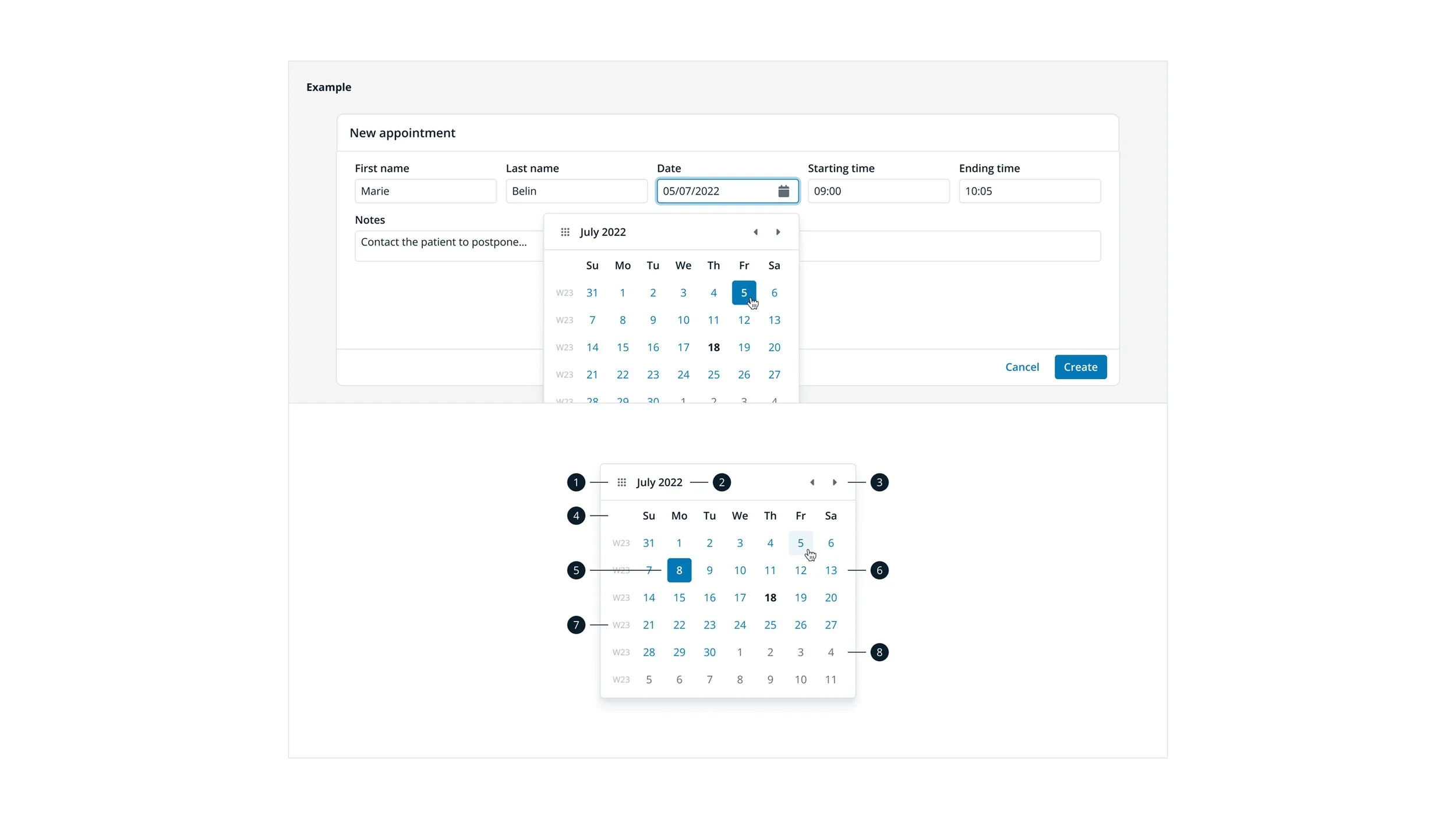
Date picker component (doc)
Guiding and coordinating
A design system with fifty squads pulling in different directions isn't a design system. It's fifty design systems with the same name. So we ran Faros like a product, not a one-off delivery: a backlog, a roadmap, KPIs reviewed every month. That discipline is what made the next rule feel earned rather than arbitrary: one target version a year, no exceptions, backed by real support from leadership.
KPIs dashboard
Not every team fell in line on its own. Some had the workload as a real excuse. A few just didn't want to move unless someone made them. That's where the mandate mattered, not as a show of force, but because letting non-compliance slide punishes everyone who already did the work.
So the message shifted from "this is good practice" to "this is how the company aligns," with a clear deadline attached. For everything that didn't need a mandate, we leaned on something lighter: Cap Faros, short async videos to share direction and changes, because nobody was going to read another long document.
Less feature, more experience
Maturity has its own trap. Once a system is stable enough that people stop noticing it, they can also stop being excited about it, and a design system nobody's excited about slowly stops getting used.
By this point, most requests weren't about new components. They were about fit: making Faros work the way our teams already worked, instead of asking them to change for it. That meant solving two problems. Material Design's defaults didn't match how our teams worked, so we built our own sizing and flexibility. And components shown in isolation never taught anyone how to build a full screen, so we started sharing complete patterns instead, like a whole form rather than just its pieces. Designers got new ideas, and developers got code they could reuse instead of rebuilding.
The goal was not more features.
It was less friction in everyday work.
That tension between stability and staying interesting hasn't gone away. AI is bringing it back now, changing how people build and use the whole ecosystem.
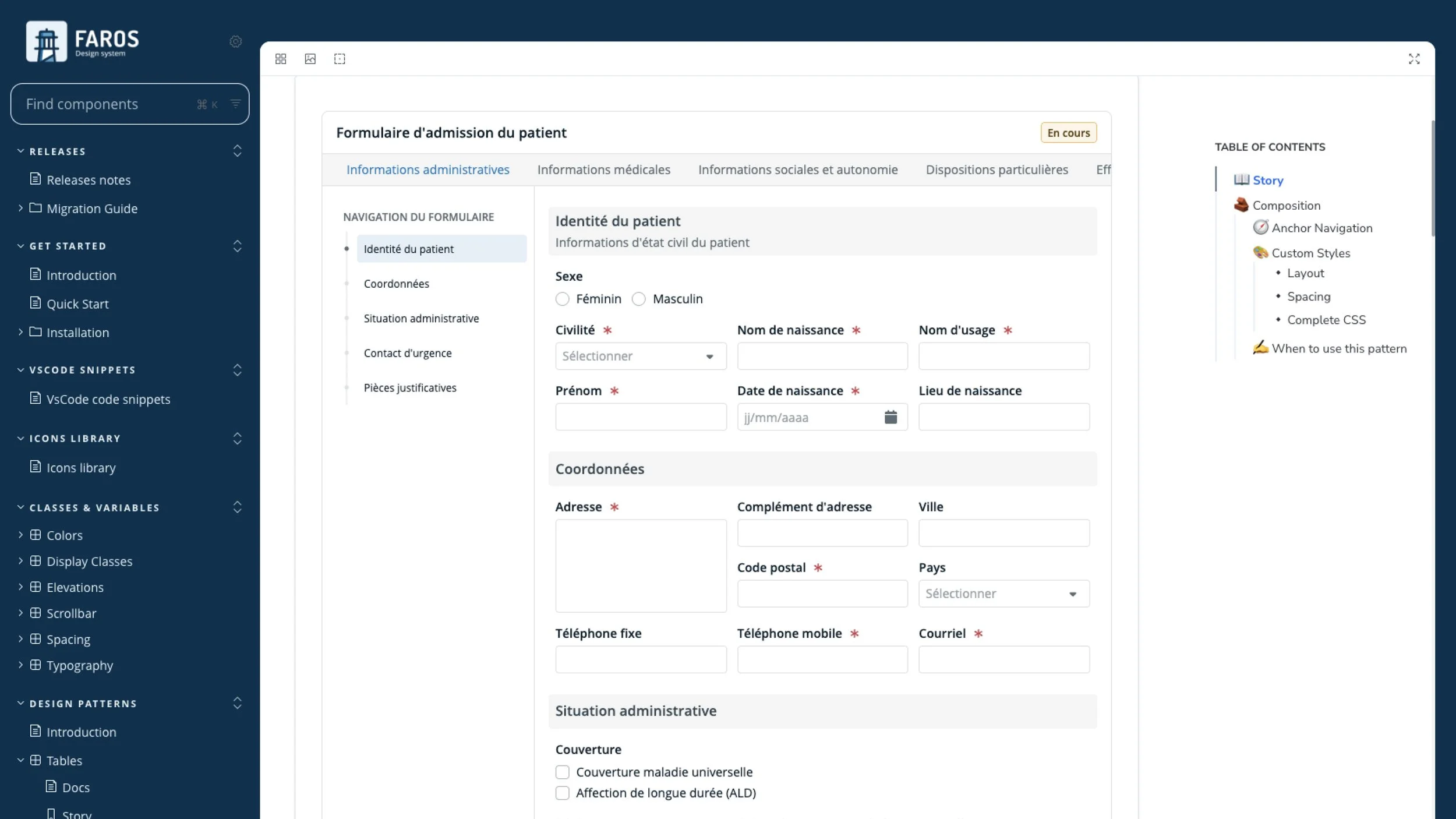
Sample form layout shared with collaborators to guide their implementation
Storybook - technical documentation
What did not work
Not everything landed. A series of Figma tutorial videos, well made but mistimed, went mostly unwatched. A component picker tool, built with good intentions, saw almost no adoption. Early on, our posture was too prescriptive. We tried to impose more than we tried to convince, and teams pushed back, rightly. Involving squads in the governance of version updates stayed a point of friction longer than we expected.
What we took from this period
A design system earns credibility by proving its value first, not by announcing it. Adoption comes from support and from listening, and sometimes from a mandate that protects the people who already did the work. Maturity isn't measured by how many components you ship. It's measured by the experience the system gives the people who use it every day.
Results
Where it stands
Fifty squads, three countries, one design system. Every new project defaults to it. The teams that once needed convincing are often the same ones sponsoring it now. Design and engineering stopped arguing about what to build, because they finally had the same words for it: one component, one name, one shared reference. Here's what that looks like in practice, across very different parts of the product.
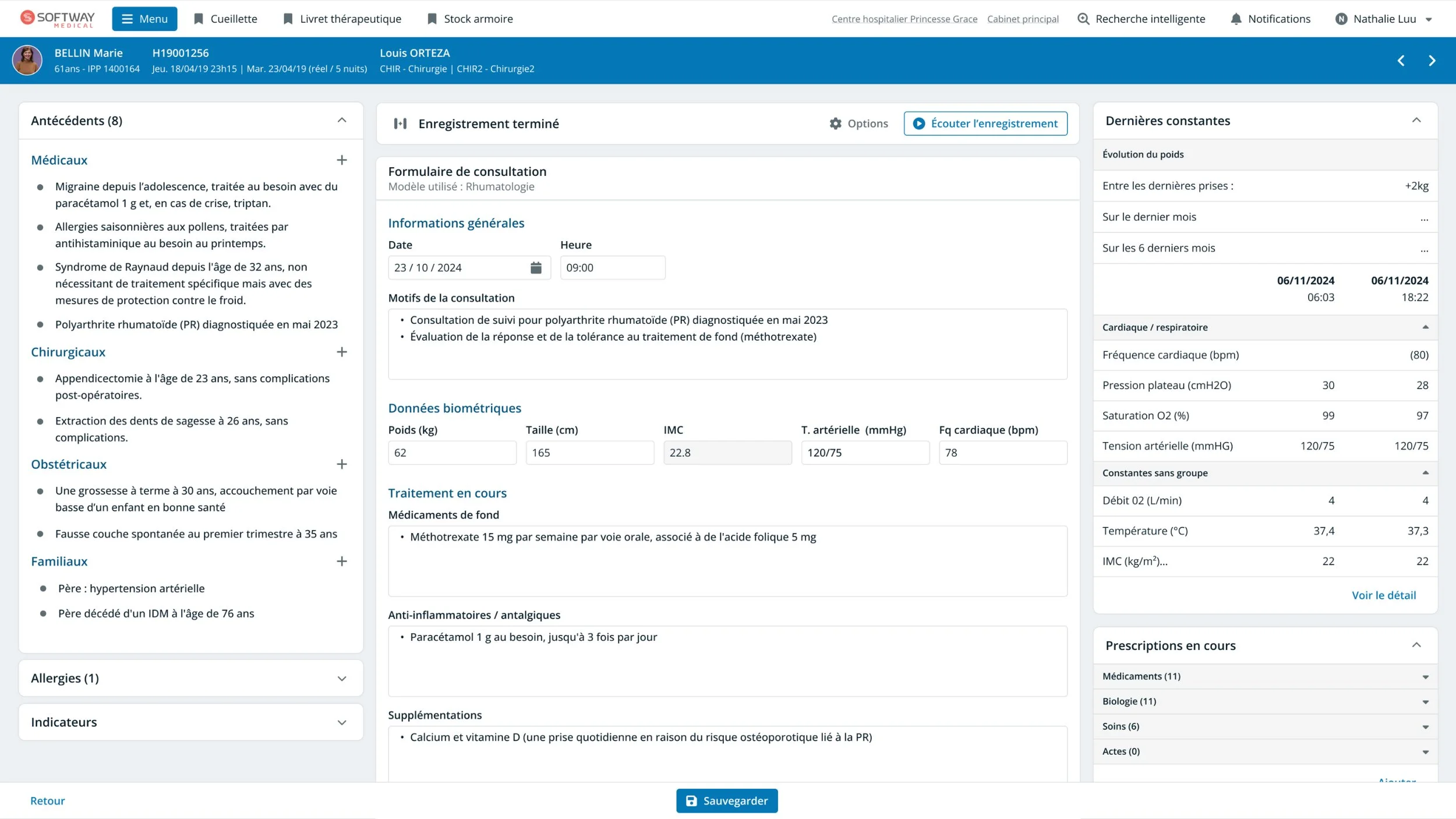
Patient consultation
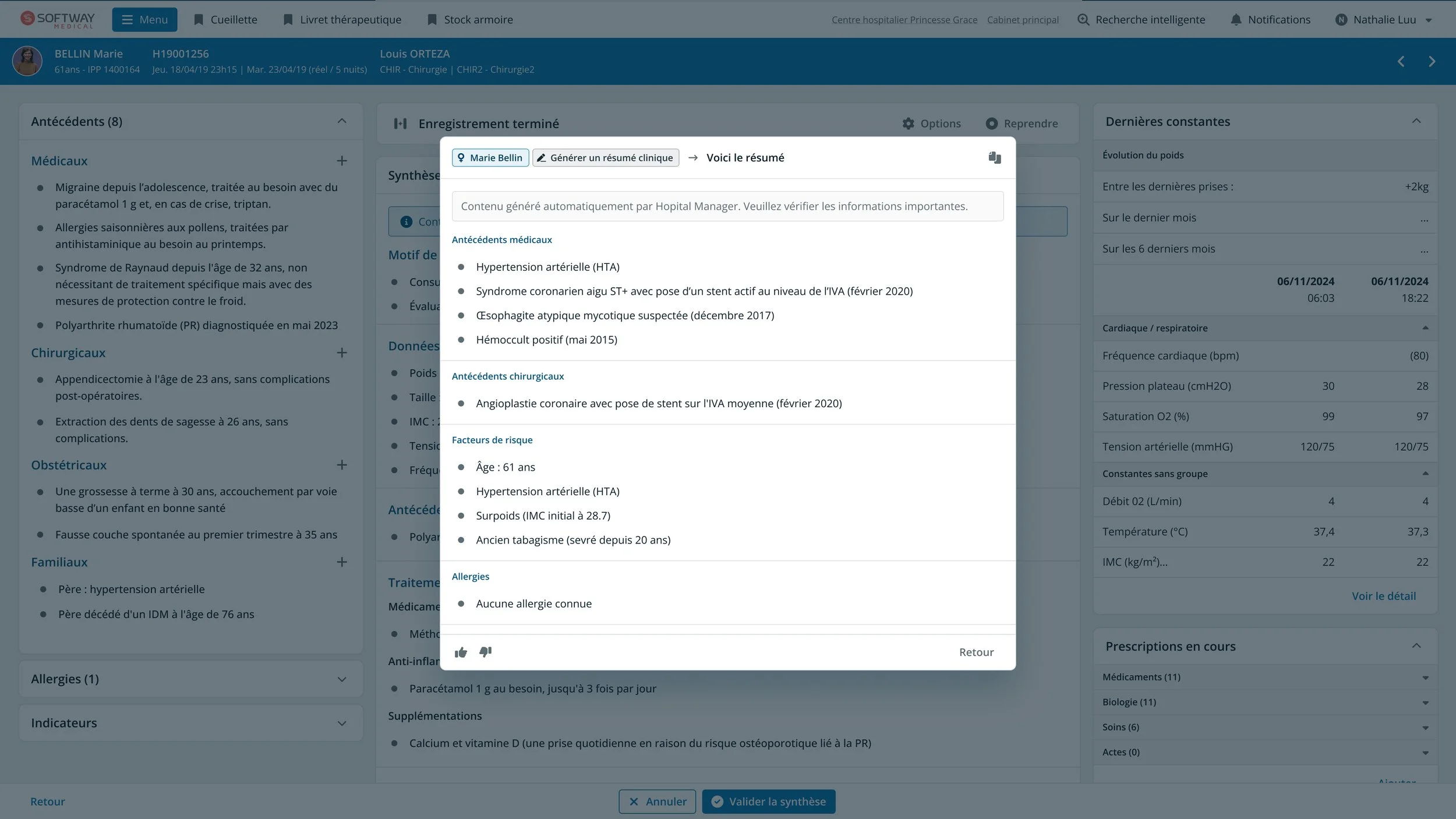
Clinical summary
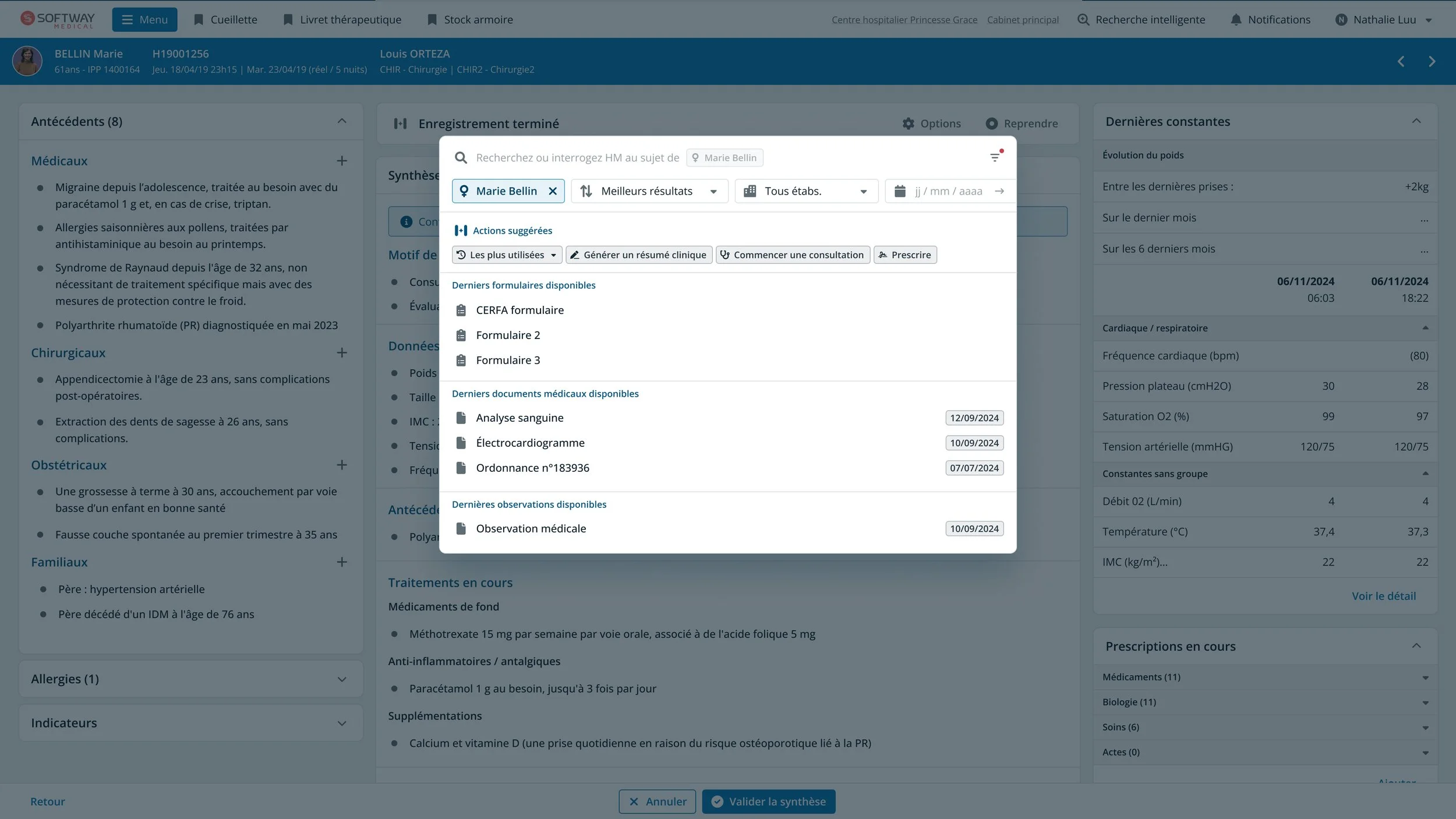
Patient documents & actions
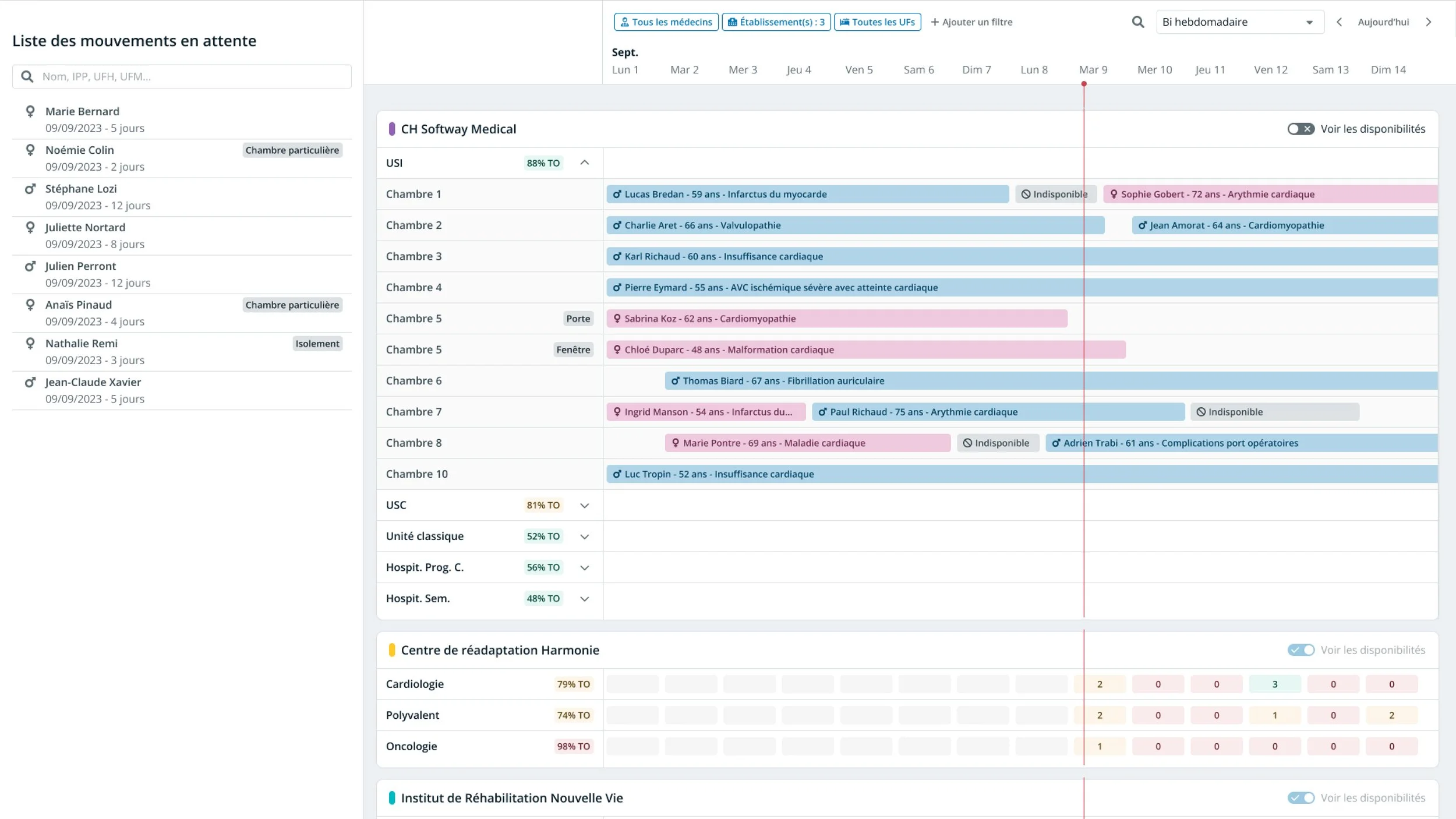
Bed occupancy - planning
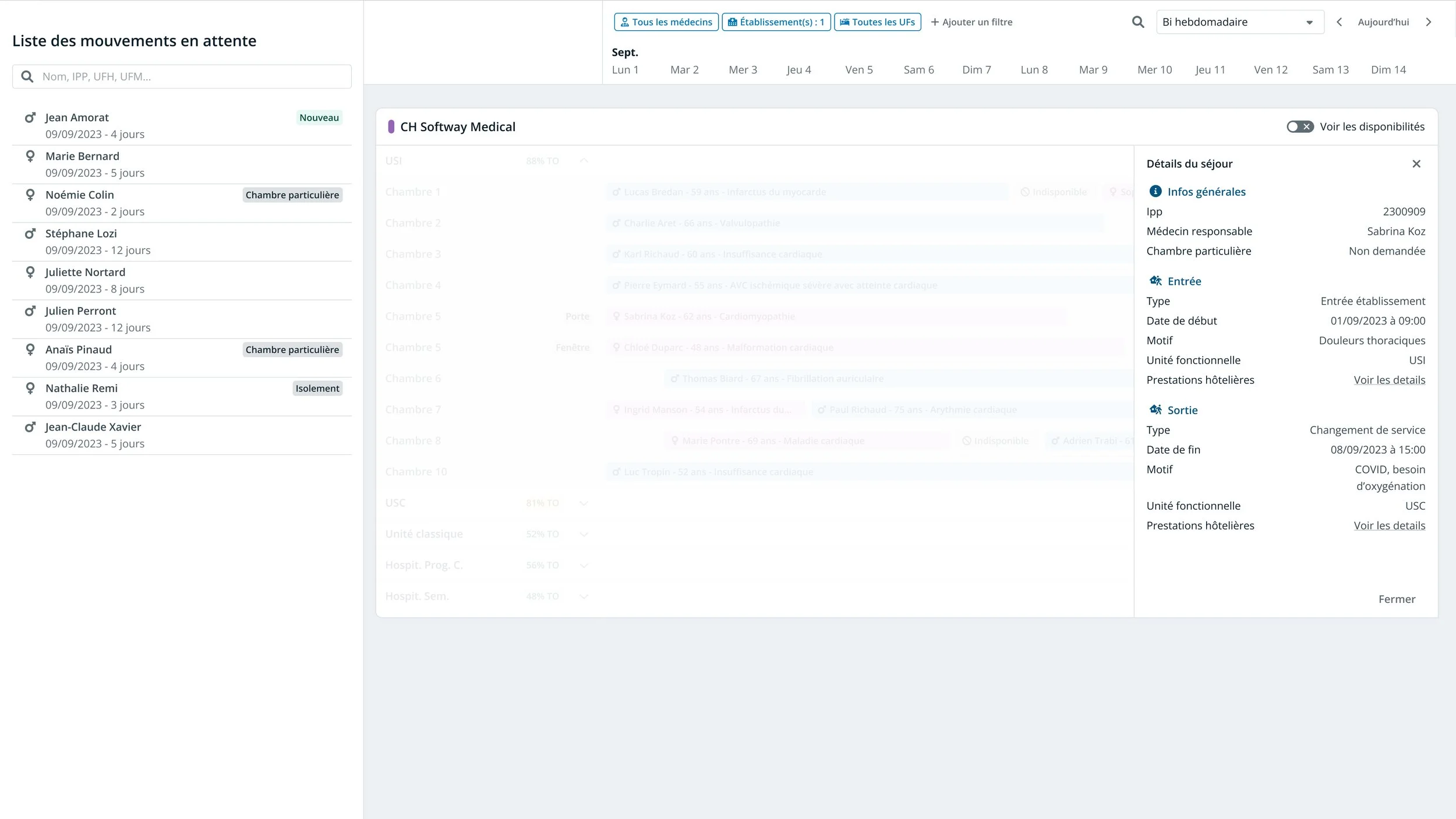
Bed occupancy - details
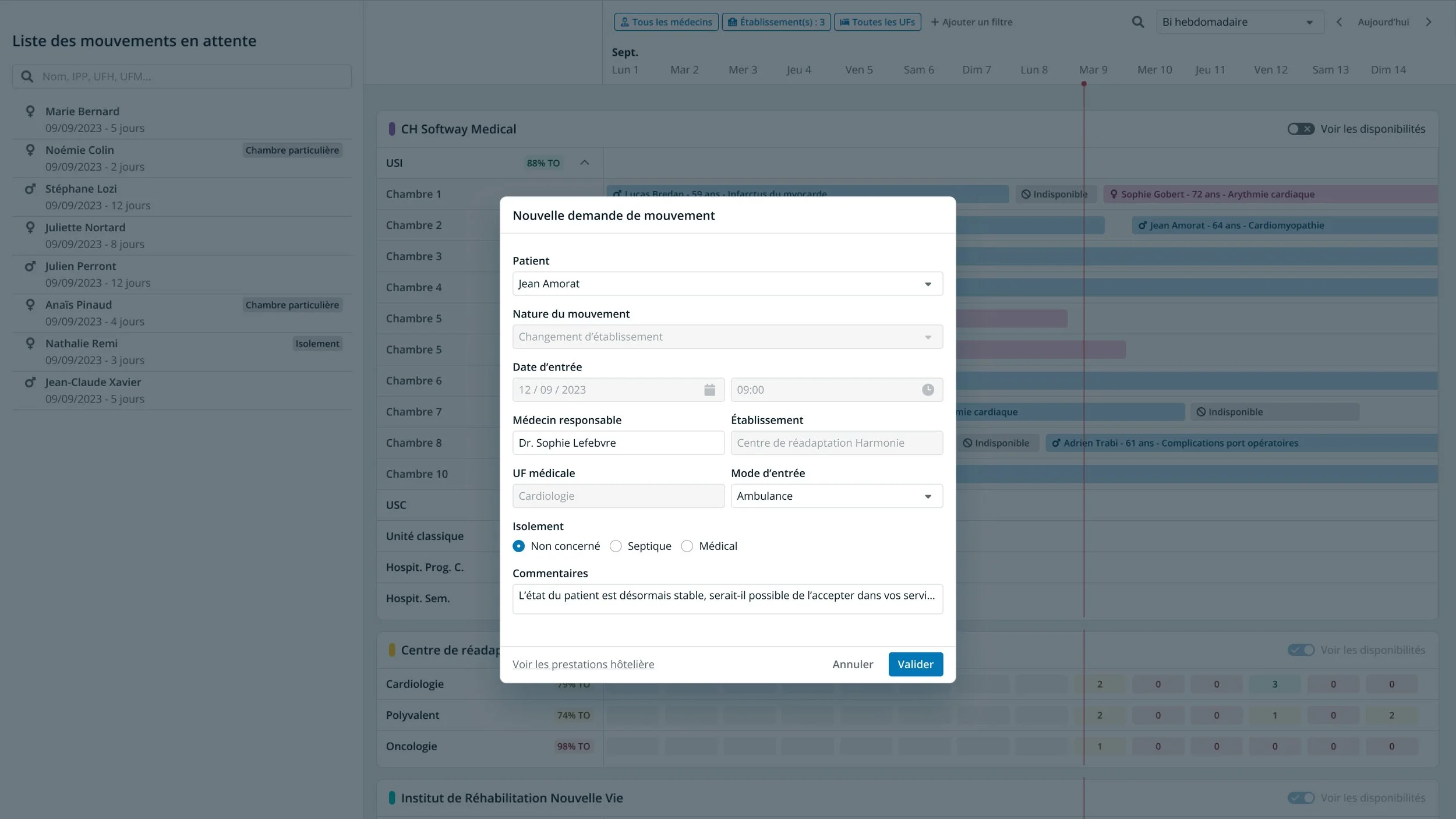
Bed occupancy - new request
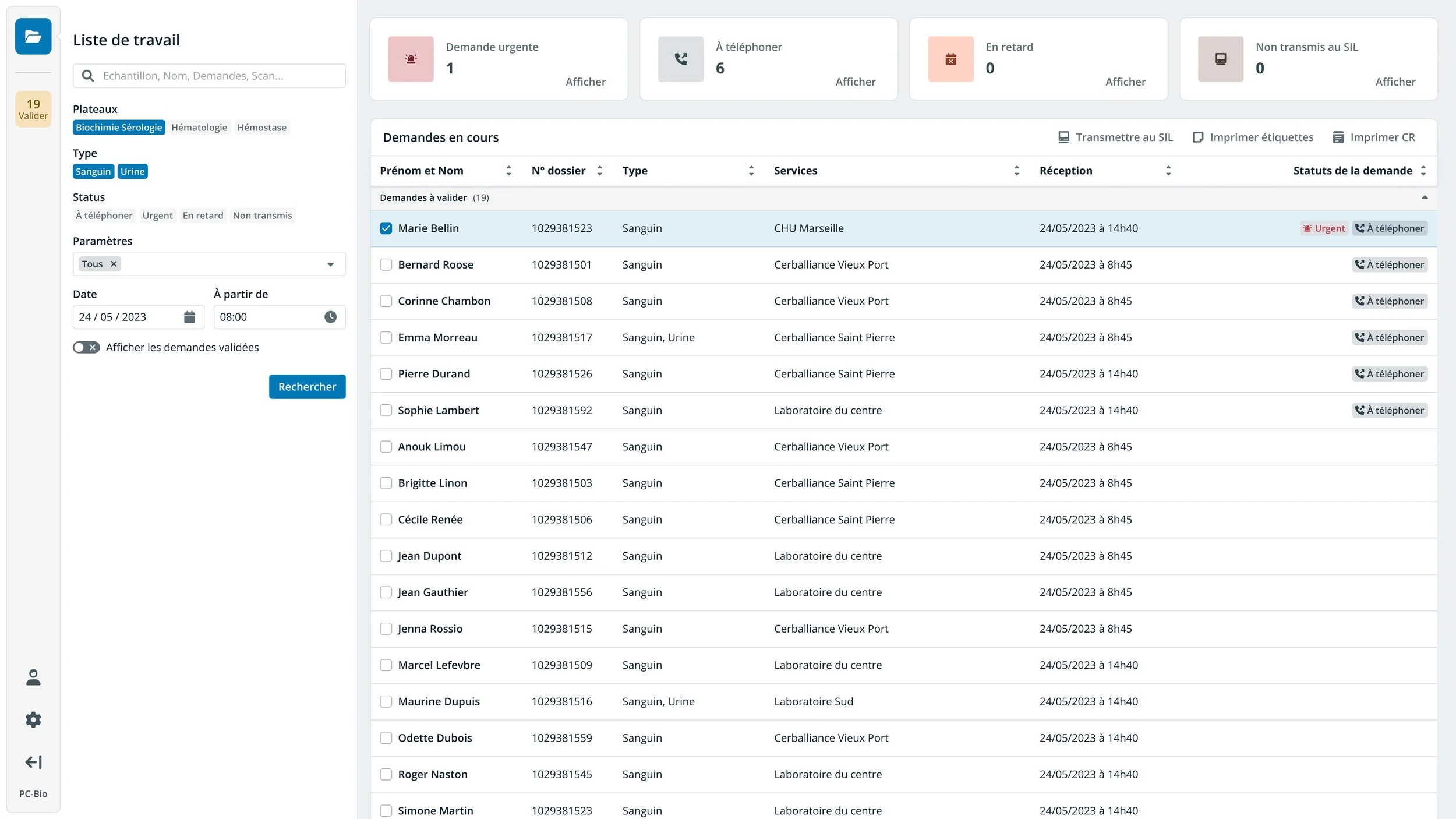
Working list
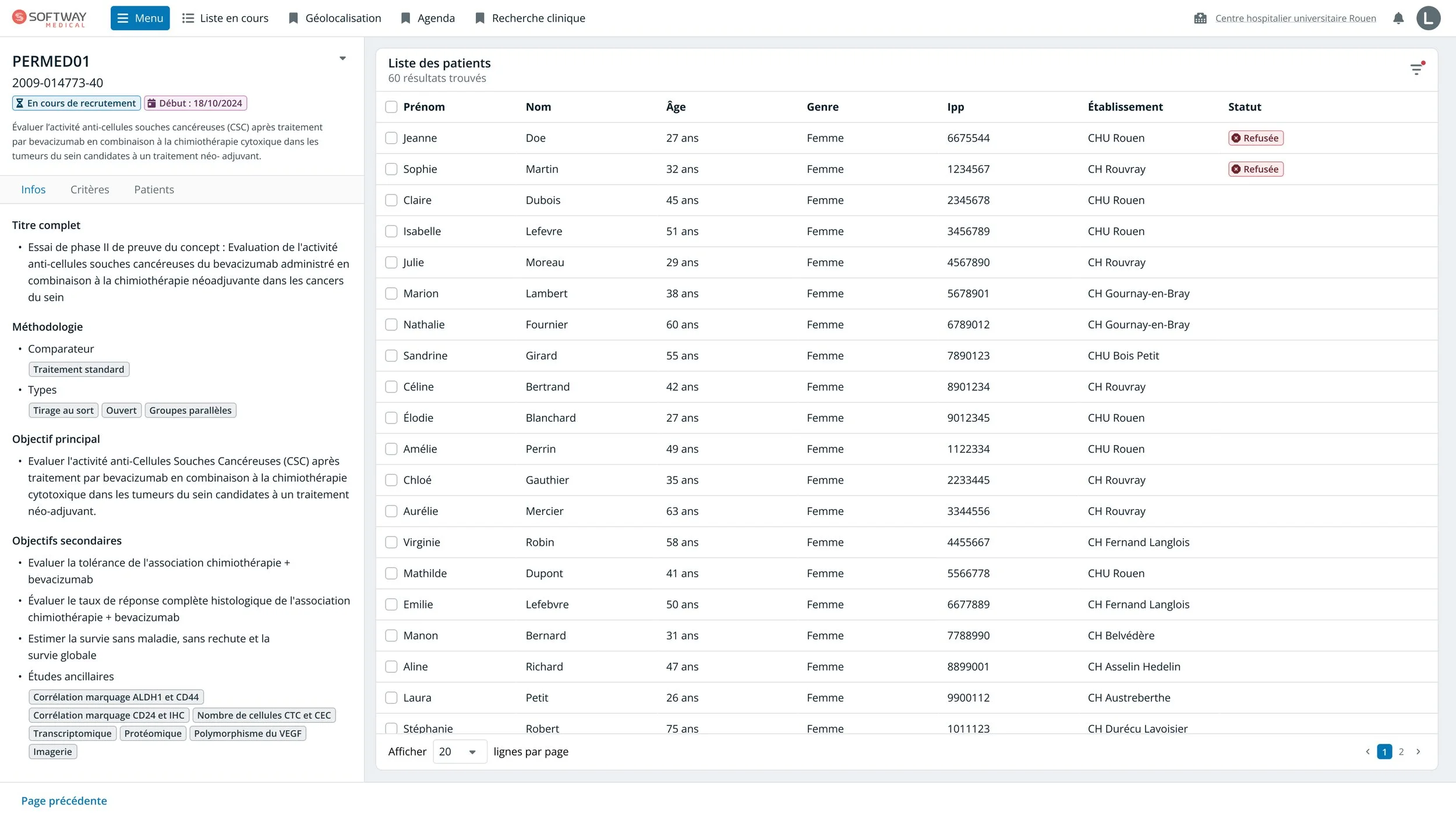
Clinical research - patients listing
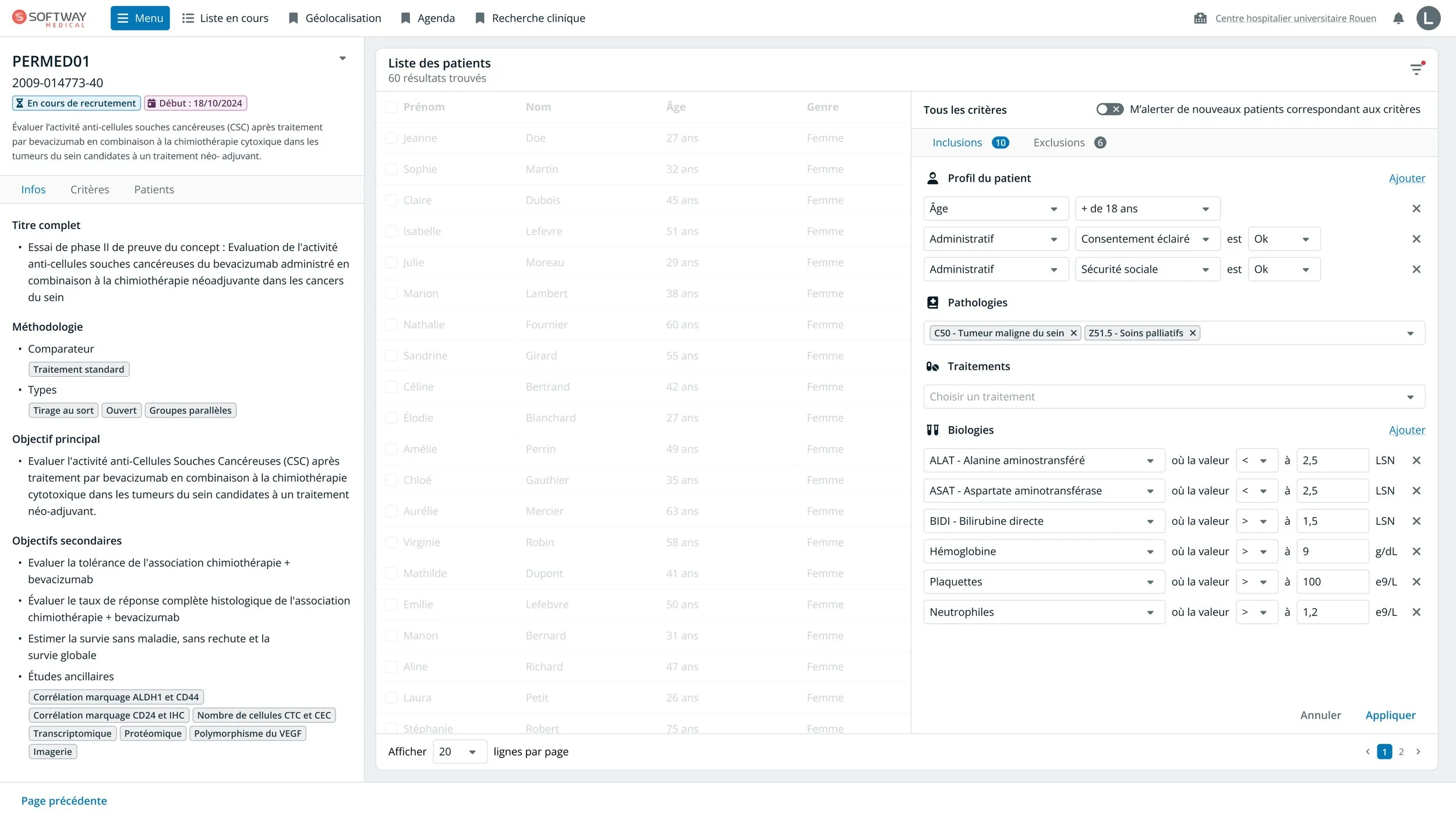
Clinical research - criterias
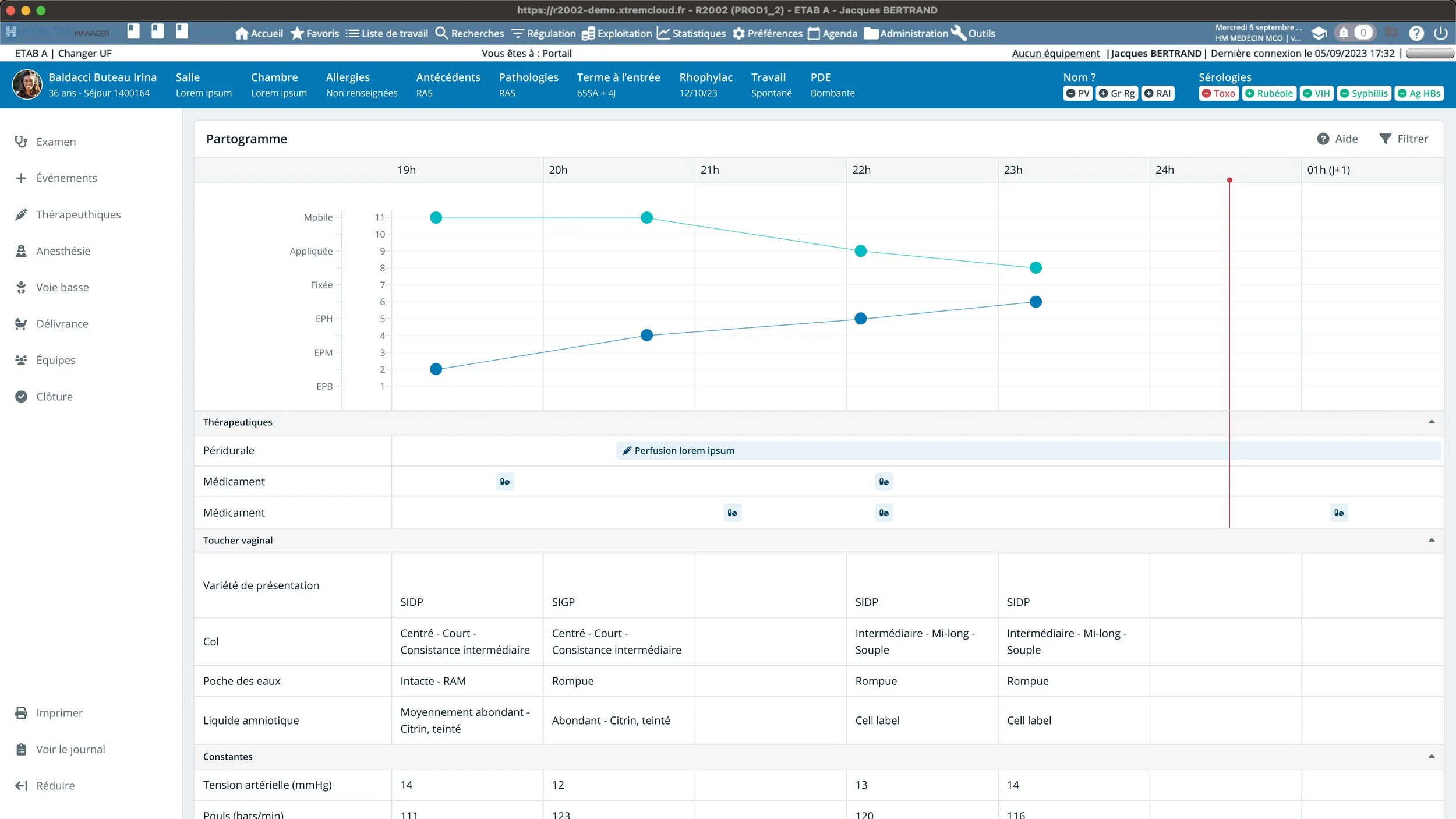
Partogram
Some data
50+
teams on one system
8.2
satisfaction
(rated on 10)
93%
say Faros gives
consistent interfaces
79%
say Faros save them time
One story makes it concrete.
A squad once budgeted two full sprints to implement a screen. With Faros, they shipped it in half of the first one, and had to rework their sprint planning mid-sprint just to find something else to fill it with.
47% of respondents use Faros multiple times a week or more, and the ecosystem around it : Figma libraries, documentation, ticket creation, sees steady traffic. Not everyone uses it the same way, and that's expected: not every squad has an embedded designer, so usage comes in bursts rather than a daily habit.
It isn't finished. Version fragmentation across teams is still real, even with the one-target-version-a-year rule helping. Faros earned its place. It hasn't earned the right to stop working for it.
Some of what's next changes the stakes. Softway Medical is expanding internationally, and Faros has to keep up: unify visually and technically across the group's systems, or risk becoming the thing that slows international scale down instead of speeding it up.
Stop evolving, and you've just built the next legacy.
There's a push into BtoC too, through illustration work that gives certain products a different tone without breaking the system underneath. And the analytics tool that started as an internal utility is getting rebuilt again, this time as something managers can use to make decisions, not just a snapshot of who used what.
The biggest shift is AI, and it's reopening a question we thought we'd settled: what does it actually mean to use a design system, when a whole new way of building is arriving at once. We're training teams on it and building a new AI-assisted prototyping tool wired directly into Faros, so product people can go from an idea to something testable without waiting on a designer's calendar. That's its own story, told elsewhere. Here, it's enough to say we're moving carefully: testing where AI actually helps, keeping a human decision at every step that matters.
The model held up well enough that it's no longer just Faros's model. Treating the work like a product, with a roadmap and metrics instead of one-off requests, is now how the team builds everything, including the newer AI tools. What worked once became how we work.
Chapter 3
Toward the horizon
Closing
Eight things I'd tell anyone starting this
01
Get at least one sponsor from top management
02
A design system is not one discipline's job.
03
Don't skip the documentation.
04
Support adoption, don't just mandate it.
05
Communicate to engage people, not just to inform them.
06
Treat your internal teams like real clients.
07
Listen to every signal, even the small ones.
08
Balance stability with room to keep innovating.